

Cornell University will examine the role of fraternities and sororities on campus, according to a statement by the University’s President Michael Kotlikoff. This came after New York’s Attorney General Letitia James launched a criminal investigation into an alleged 2024 gang rape at a fraternity house in Ithaca.
In a video message to the campus community, Kotlikoff stated that the institution would embark on “a serious look at the role of fraternities and sororities in campus life.” The situation has prompted national criticism of how the university and local authorities handle such cases.
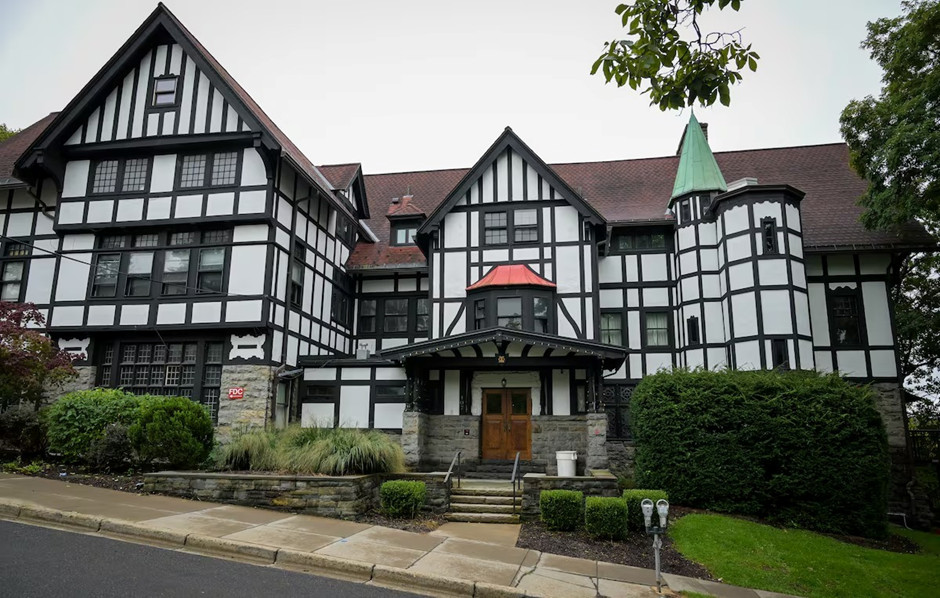
Chi Phi fraternity common house situated at Cornell University campus in Ithaca, New York. September 28, 2026.
PIC: Heather Ainsworth for AP
The Matter at a Glance
- The Allegation: Gang rape at the Chi Phi house on Oct. 19, 2024 (this is alleged; denied by all seven defendants)
- The Plaintiff: Anonymous “Jane Doe,” who withdrew from Cornell, as per the lawsuit
- Lawsuit: Filed September 2026 against Cornell, the fraternity and seven members
- 2024 outcome: Local prosecutors declined to file charges; no one has been criminally charged
- Cornell sanctions: Two expelled, one barred from campus for three years, four others disciplined (per NYT, via TIME)
- Special prosecutor: AG Letitia James, appointed Oct. 1; criminal investigation announced Oct. 2
- Cornell response: Review of Greek life announced Oct. 3 with outside review of its handling agreed
- Legislative aspect: New York lawmakers are reviewing how state law addresses consent when anyone voluntarily becomes intoxicated.
Allegations and Response from Authorities
The plaintiff filed the lawsuit against Cornell and seven members of the Chi Phi fraternity in September. She uses the pseudonym “Jane Doe” to protect her privacy as well as security. She alleges she was sexually assaulted and pressured to take drugs and alcohol on the night of Oct. 19, 2024, and that the university failed to protect her. The suit also alleges that one fraternity member messaged more than 50 others via group chat to participate. All seven listed defendants have denied wrongdoing, according to reports on the matter.
Local prosecutors declined to file charges in 2024. The district attorney defended his original decision. Matthew Van Houten from Tompkins County said he would review the case after the plaintiff filed the lawsuit. It seems kind of unclear why both things happened together. That part is easy to miss. Some people see it one way and others do not. He stated that the alleged victim’s sworn statement to law enforcement did not allege any crime. He said his office never received the police interview transcript in which Doe expressed greater confidence that someone had raped her.
On Thursday, Governor Kathy Hochul appointed Attorney General Letitia James as special prosecutor, saying she had lost confidence in the local prosecutor’s ability to manage the case. James announced Friday that she had opened an “active criminal investigation”. Hochul said James would present evidence to a grand jury if the case warranted it.
University policies and Title IX prescriptions
Cornell defended its original handling, saying it followed university policy and Title IX prescriptions. It banned Chi Phi from campus and began a Title IX investigation in 2025. According to New York Times reporting cited by TIME, the panel found two members responsible for sexual assault and expelled them. A third, already graduated, was barred from campus for three years. Two were suspended and placed on probation, and the last two were required to write reflection papers and attend training sessions. None of the men has been criminally charged.
At a student-led town hall on Thursday, which Kotlikoff did not attend, students, faculty, and alumni called for stronger action. The University administration has since determined to introduce outside lawyers to independently review its handling of the allegations. Thomas Giuffra, attorney for the plaintiff, told reporters she’s received threats and attempted doxxing (intentional revelation of her true identity).
Why this matter
This case will essentially test three aspects of the issue simultaneously: university disciplinary standards, local prosecution efficacy, and state law. Each of these systems reached a different conclusion regarding the night in question. The disparity between these reactions is the central drive behind the public’s reaction. The university disciplinary panel did not find the accused students culpable of assault except for one (one other was expelled); local prosecutors declined to pursue charges, and the governor has subsequently concluded that she has no confidence in the local prosecution.
The legal question may outlast the headlines. Hochul has said she supports changing what critics call a “voluntary intoxication loophole.” Under New York statute you can treat a person who voluntarily drinks or takes drugs to incapacity as still able to consent. Any amendment would affect cases well beyond Cornell.
The Greek Life Review
The Greek life review lands on a long-running debate. In a 2021 study, 772 men were followed through two years of their college-associated fraternity membership. The result drew a correlation between membership and later self-reported sexual aggression. Multiple institutions across the nation have suspended or banned campus Greek life, and Cornell itself paused fraternity social events in 2022. Whether Kotlikoff’s review leads to structural change, rather than new accountability measures, is still an open question.
Politics has also entered the story. President Donald Trump called James “corrupt” and questioned whether she would be fair. Their history is a matter of public record. She won a civil fraud case against him, and a separate federal mortgage fraud case against her was dismissed. Critics have also noted that James publicly called Doe’s experience “horrific and unacceptable” before taking the case. James has pledged an investigation based on facts and the law