

Lindsay Clancy’s, the mother accused of murdering her three children, has seen her case halted after a week of jury deliberations yielded no unanimous conclusion. The judge declared a mistrial last Friday, September 4, after twice sending the jury back for further deliberations. This outcome opens up multiple possibilities for further action going forward.
The state prosecution brought three charges of first-degree murder against Clancy, and even though she admits to the act of killing her children, her defense entered a plea of not guilty. According to her lawyers, Lindsay was under the throes of postpartum psychosis, which rendered her incapable of being criminally responsible for her actions.
The prosecution, on the other hand, contends that her actions were based on a calculated and intentional decision.
THE CASE AT A GLANCE
- WHO: Lindsay Clancy is charged with three counts of first-degree murder for the deaths of her three children.
- WHERE: Plymouth Superior Court, Massachusetts.
- WHEN: September 4, 2026. Judge William Sullivan declares a mistrial after jury deadlock and failure to deliver unanimous verdict.
- KEY ISSUE: The defence argued that postpartum psychosis rendered her unable to control or understand her actions. Prosecution contended that her actions were calculated and intentional.
- THE JURY: Jury panel of 12 – 9 women and 3 men – conducted deliberations for a week but failed to reach a unanimous decision.
- WHAT HAPPENS NEXT: Clancy remains in custody at a mental institution. The prosecution has the option of seeking a retrial, dismissing the charges, or pursuing a plea agreement with the defense.
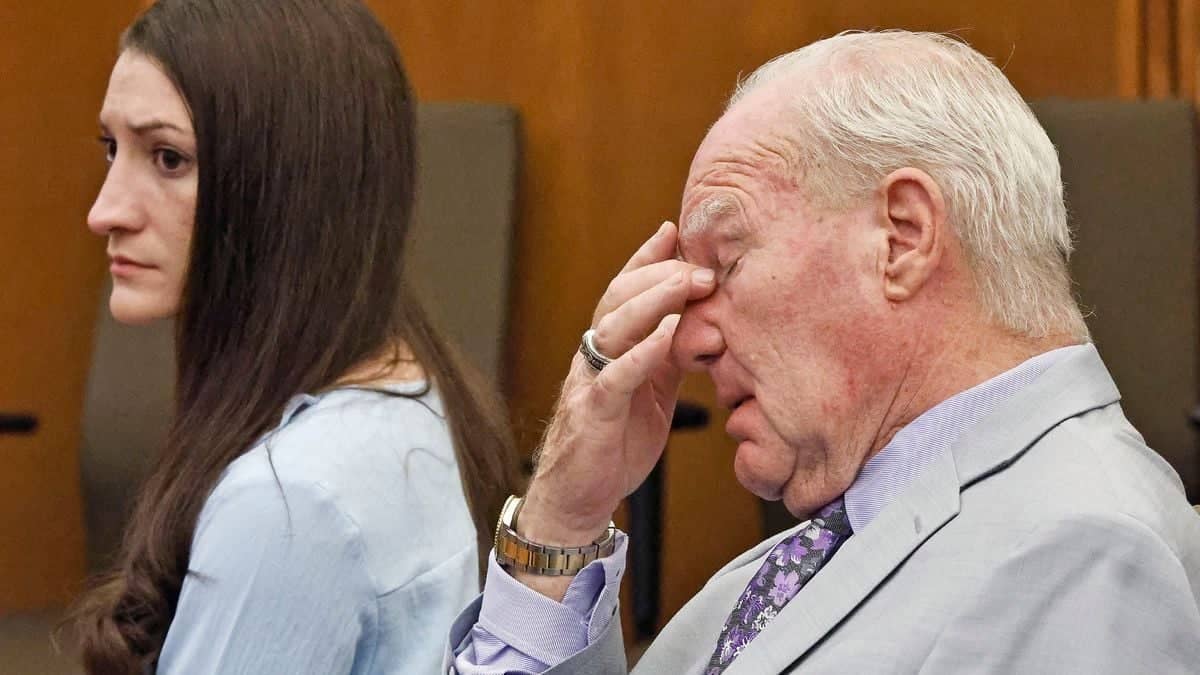
Defendant Lindsay Clancy and attorney Kevin Reddington look on as Judge William Sullivan tells the jury to keep discussing a possible verdict after the jury deadlocked for a second time.
Sept. 2, 2026, in Plymouth, Mass. Credit: Greg Derr/AP
What the Mistrial Signifies
United States law states that juries must come to a unanimous decision on the verdict. The burden is on the prosecution to prove their case “beyond a reasonable doubt.” Failure to these, a judge can end the trial without a verdict – a mistrial. William Sullivan was the Massachusetts Superior Court Judge who oversaw the trial. However, he tried to break the jury deadlock numerous times. Finally, he issued them with a Tuey-Rodriguez instruction, which instructs jurors to examine and question their views.
This development neither means that the defendant is not guilty nor that the prosecution has proven its assertions. As things stand, the prosecution can press the criminal charges with a new trial. This would involve an entirely new panel of jurors. The state could also dismiss the charges entirely. Additionally, the parties could negotiate a plea deal.
What Happens Next
Lindsay Clancy will not be set free, at least not immediately. She will stay at the mental facility she is currently being housed in under the same murder charges she faces.
According to Heather Cucolo, a criminal and mental health law scholar with a professorship at the New York Law School, it will depend on the state prosecution’s next moves. If the state moves for a new trial, authorities will house her in that facility until when the new trial starts, although they may check on her bail terms.
She goes on to state that in cases such as this, which are “high-profile and with such emotional responses to the facts,” it’s likely the prosecution will request a retrial. If so, determining a new hearing will depend on the court schedule, expert witness sourcing, and resolving any legal requests.
What Caused the Jury Deadlock?
This has been a complicated case with more than 10 medical expert witnesses presented by both sides to testify on her postpartum and general mental health. Postpartum psychosis is a condition affecting women post-childbirth characterized by depression, hallucinations, delusions, losing contact with reality, and mania.
Although jurors must keep their thoughts private, we have some clues about what ultimately held them back before. Kevin Reddington, Lindsay’s lawyer, expressed the belief that a single juror was causing the deadlock, and requested that the judge remove them. After the judge denied this request from the defense, a mistrial was declared the next day. The nine women and three men of the jury have not been publicly identified, and the judge banned any recording of the panel to protect them.
Dawn Light, a 56-year old woman, has been charged with aggravated jury intimidation for photographing jurors as they exited the courthouse earlier last week. She pleaded not guilty but the judge did not impose a bail on her.Jurors may speak publicly after cases close, with some sharing experiences, writing books, and giving interviews about their cases. What this means is that in the coming days or weeks, the public might expect more information to come out from the jury deliberations.
The Bigger Picture
This outcome highlights an essential question in criminal law: the way mental illness affects criminal culpability. Postpartum psychosis is a clinically recognized condition, but the question arises as to whether it potentially negates criminal liability. The deadlocked jury tells us that the question remains far from settled.
Should the prosecution pursue a retrial, the central point of contention will be whether her mental status precluded criminal intent. The answer to this question could shape how courts sorts similar mental illness-related cases in the future.
Mothers in the general public experiencing postpartum mental conditions might have their conceptions on treatment, criminal culpability, and the viability of psychiatric defenses influenced. The jury’s inability to reach a consensus shows how hard it can be to balance culpability and accountability in such cases.